
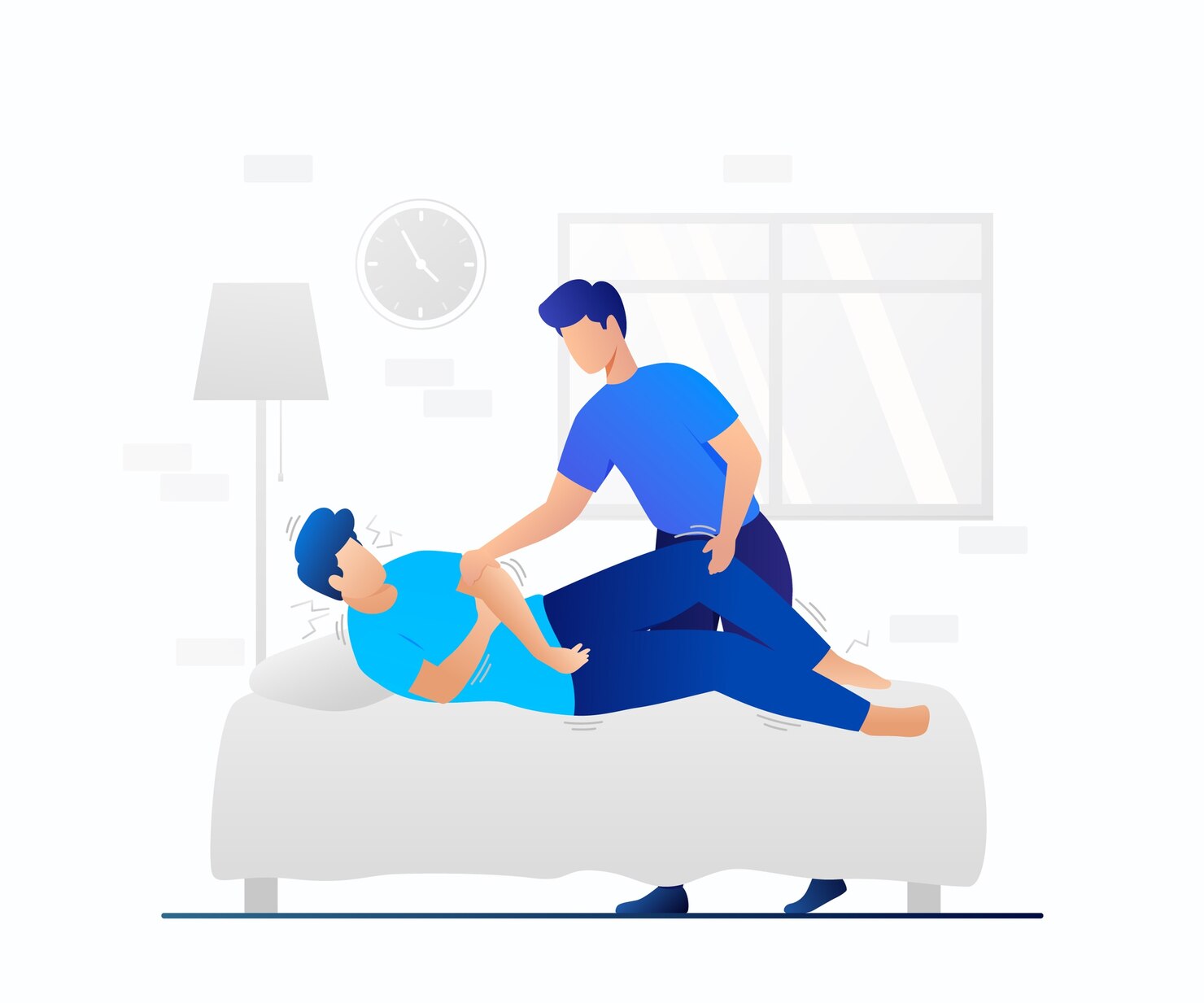
Osteopathy
Osteopathy is a holistic, patient-centered form of manual therapy that focuses on the intricate relationship between the body's structure and its function. Rooted in the philosophy that the body possesses an inherent ability to heal itself, osteopathic treatment aims to restore balance across the musculoskeletal system to facilitate this natural process. At modern physiotherapy clinics, osteopathic techniques are seamlessly integrated with evidence-based physiotherapy methods to provide comprehensive care for patients suffering from musculoskeletal disorders, neurological conditions, sports injuries, and chronic pain.
The osteopathic approach is guided by several core principles that align closely with the goals of physiotherapy:
- The body is a unit: All systems—musculoskeletal, circulatory, nervous, and visceral—are interconnected, meaning a problem in one area can impact the entire body.
- Structure and function are interrelated: The body's structure (bones, muscles, and ligaments) directly influences its function (movement and circulation); restoring structural alignment is key to optimal performance.
- The body has self-healing mechanisms: The body naturally strives to maintain health, and treatment should focus on removing barriers—such as joint restrictions or muscle tension—to facilitate this innate healing process.
- Rational treatment is based on these principles: Effective therapy should restore mobility, alignment, and balance to support long-term well-being rather than just providing temporary symptom relief.
These principles align closely with physiotherapy's goals of restoring function, reducing pain, and preventing recurrence, making osteopathy a natural complement in physiotherapy clinics.
Osteopathic Techniques Used in Physiotherapy Clinics
Osteopathic techniques are gentle, manual, and patient-centered. When combined with physiotherapy exercises and education, these methods provide a powerful tool for rehabilitation. Common approaches applied in physiotherapy practice include:
Soft tissue manipulation: Involves applying gentle pressure and stretching to release muscle tension, improve blood circulation, reduce inflammation, and enhance tissue flexibility.
Joint mobilization: A gentle technique using rhythmic, low-velocity movements to restore normal motion to stiff or restricted joints, particularly effective for conditions like arthritis or post-injury stiffness.
High-velocity low-amplitude (HVLA) thrusts: Precise, quick, and controlled adjustments applied to a joint to restore normal alignment and motion, commonly used to treat spinal dysfunction and joint restrictions.
Cranial osteopathy: An ultra-gentle approach involving subtle manipulation of the skull and sacrum to release tension deep within the body and influence the balance of the nervous system.
Visceral manipulation: Specialized, rhythmic mobilization of the internal organs and their connective tissue to improve organ mobility and function, which can, in turn, affect surrounding musculoskeletal structures.
These manual techniques are safe, adaptable, and suitable for a diverse range of patients—from high-performance athletes requiring rapid recovery from sports injuries to elderly individuals managing age-related degenerative changes and seeking improved mobility and pain relief.