
Cardiac Rehabilitation
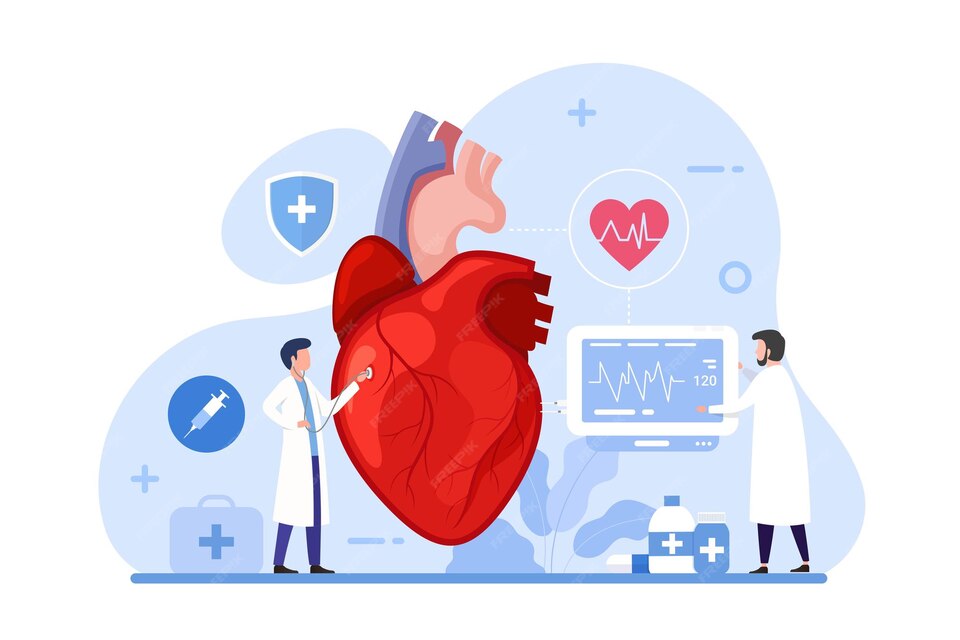
Cardiac rehabilitation is a comprehensive, multidisciplinary program designed to support patients recovering from heart-related conditions such as myocardial infarction (heart attack), coronary artery bypass graft (CABG) surgery, angioplasty, stent placement, valve surgeries, or those managing chronic heart disease. In a physiotherapy clinic, the focus of cardiac rehab is on safe recovery, structured movement education, and the prevention of future cardiovascular complications through supervised exercise and lifestyle modification.
Why Cardiac Rehabilitation Matters
After a cardiac event or surgery, many patients face significant physical and psychological challenges. Common issues include persistent fatigue and reduced stamina, breathlessness during minimal activity, a genuine fear of resuming exercise or routine tasks, and muscle weakness with poor posture due to prolonged inactivity. Physiotherapy-based cardiac rehabilitation helps bridge the critical gap between hospital discharge and full recovery by gradually restoring cardiovascular strength, improving patient confidence, and teaching sustainable heart-healthy lifestyle strategies.
The Phases of Cardiac Rehabilitation
Cardiac rehab is typically structured in phases to ensure a safe and progressive return to optimal function. Physiotherapy clinics often focus on the later, long-term phases of recovery.
Phase 3: Advanced Training (Clinic & Home Program): This phase focuses on progressive aerobic training to build cardiovascular endurance, combined with functional strengthening exercises designed to prepare patients for daily activities like carrying groceries or climbing stairs. Patients receive guidance on the safe return to work, hobbies, and moderate recreational activities such as joining a walking group, beginner yoga, or light cycling. This stage bridges the gap between supervised rehab and independent living.
Phase 4: Long-Term Maintenance: The final phase emphasizes independent exercise, with periodic follow-ups from a physiotherapist to monitor progress and adjust programs. It includes ongoing lifestyle counseling focused on weight management, effective stress reduction techniques, and comprehensive cardiac risk factor management to prevent future cardiac events and ensure lifelong heart health.
Techniques Used by Physiotherapists in Cardiac Rehab
Physiotherapists employ a variety of evidence-based techniques tailored to each patient's cardiac capacity and recovery stage.
Aerobic training: Supervised sessions using treadmills, stationary cycles, step trainers, or paced walking programs to safely improve heart and lung efficiency.
Strengthening exercises: Gentle, progressive resistance training using light weights or resistance bands to rebuild muscle mass lost during inactivity without straining the heart.
Flexibility and posture correction: Targeted stretches to reduce musculoskeletal strain, particularly in the chest and back following surgeries like CABG, and to improve overall body mechanics.
Breathing exercises: Techniques to improve oxygen intake, reduce anxiety, and promote relaxation, which is crucial for patients experiencing breathlessness or panic about their condition.
Balance and coordination training: Essential for elderly cardiac patients or those deconditioned by prolonged bed rest, helping to prevent falls and restore confident mobility.
Key Benefits of Cardiac Physiotherapy for Patients
Participating in a structured cardiac rehab program offers numerous life-changing benefits.
Improved stamina and reduced fatigue: Patients gradually regain the energy needed to perform daily tasks without exhaustion.
Better lung capacity and circulation: Enhances the body's ability to deliver oxygen to tissues, improving overall function.
Lower risk of re-hospitalization: Reduces the likelihood of future cardiac events through managed risk factors and improved fitness.
Safe return to daily and social activities: Enables patients to confidently resume work, hobbies, and time with family.
Boosted emotional well-being: Reduces anxiety about exercise and physical exertion, replacing fear with confidence.
Empowerment to self-manage heart health: Provides patients with the knowledge and tools to maintain a heart-healthy lifestyle long after formal rehab ends.
Who Can Benefit from Cardiac Physiotherapy?
Cardiac rehabilitation is suitable for a wide range of individuals, including those recovering from heart attacks, bypass surgery, angioplasty, or valve replacement. It is also highly beneficial for patients diagnosed with chronic conditions like heart failure or stable angina who need guidance on safe exercise to manage their symptoms and improve their quality of life.